Provide the most suitable sealant adhesives for your market.
Language
The devastating 7.1 magnitude earthquake that struck Kumamoto on July 28, 2026, has left a profound impact on the region. As families and businesses push through the hardship, the resilience of the Kumamoto people amidst all uncertainty and disruption remains a clear evidence of their strength.
At GORVIA, we extend our deepest sympathies to everyone affected by this disaster. We also recognize the monumental task ahead. As emergency rescue operations carefully transition into the long and critical phase of recovery, the construction sector is stepping up to rebuild safer, stronger, and more resilient communities.
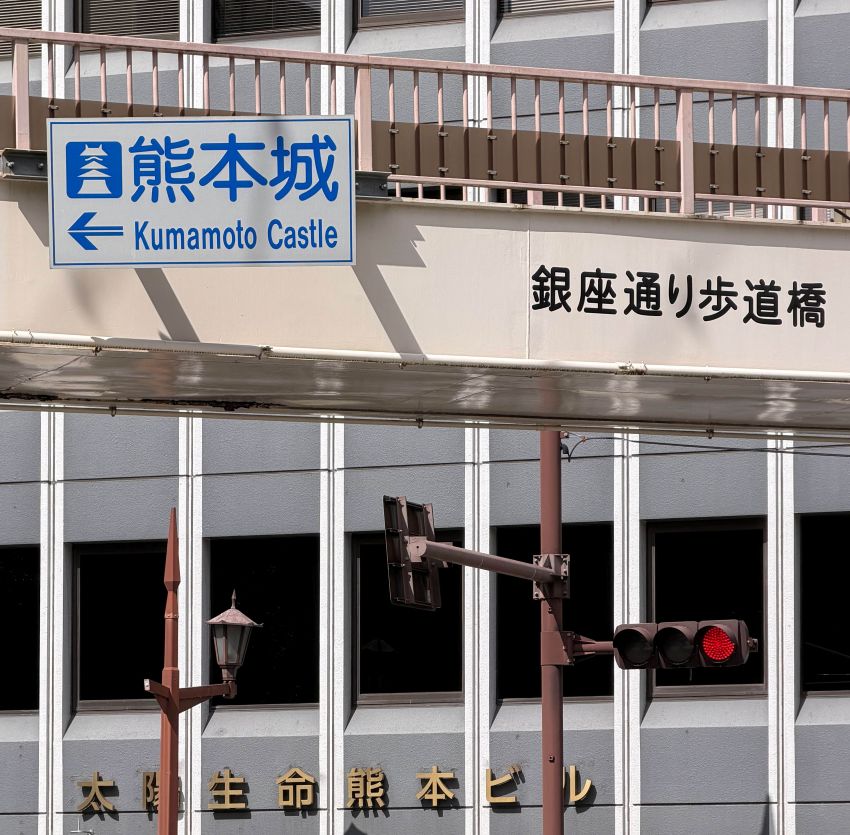
The Immediate Challenges of Post-Earthquake Reconstruction
For contractors, builders, and structural engineers on the ground in Kumamoto, the immediate challenges are daunting. The powerful tremors have fractured masonry, compromised building envelopes, and left countless homes and commercial spaces exposed to the elements. Right now, the urgent priority is two-fold: erecting secure, weatherproof temporary housing for displaced residents, and stabilizing damaged permanent structures to prevent further deterioration.
Rebuilding in an active seismic zone requires more than just speed; it requires specialized materials. Traditional rigid fillers and mortars often fail under the stress of the continuous aftershocks that follow a major seismic event. When a building settles or vibrates, brittle materials crack, reopening gaps and compromising the building’s integrity. To build back better, construction teams need materials that actively adapt to structural movement.
Why Polyurethane Foam Sealant is Critical for Rebuilding
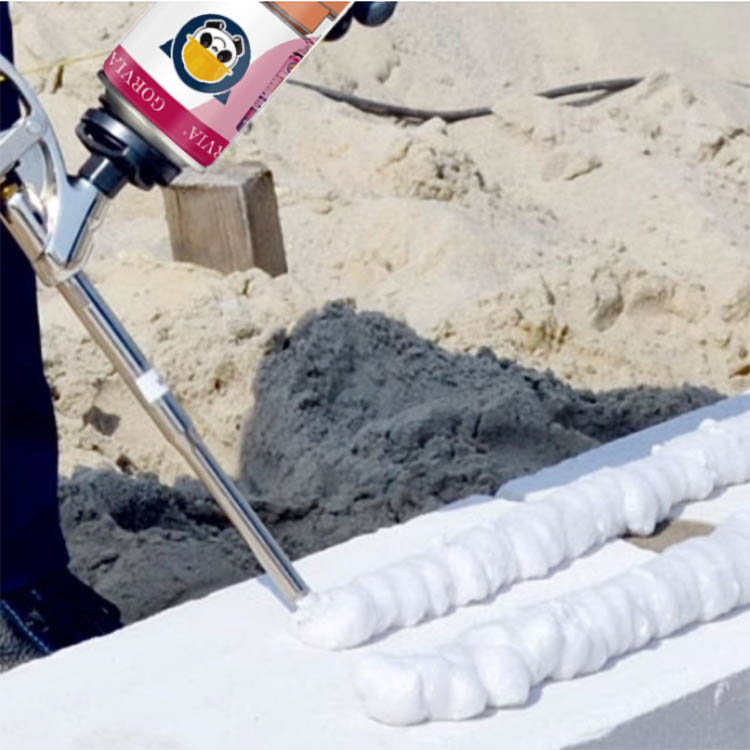
This is where polyurethane foam sealant (PU foam sealant) becomes a critical asset in disaster recovery. Unlike rigid structural sealants, high-quality PU foam is engineered for resilience and speed, solving several logistical and engineering hurdles at once.
Seismic Flexibility and Durability: When polyurethane foam sealant is applied, it expands to fill irregular voids and cures into a semi-flexible state. This unique property allows the sealant to absorb micro-tremors, building settlement, and the vibrations of aftershocks without cracking or losing adhesion. It moves with the structure, maintaining a vital weather seal even when the ground is restless.
Rapid Deployment in Time-Critical Scenarios: In post-disaster reconstruction, speed is paramount. PU foam sealant is deployed straight from the canister, expanding rapidly to fill deep structural cracks and jagged gaps. Its quick curing time allows contractors to move swiftly from one site to the next, significantly accelerating the stabilization of damaged buildings.
Logistical Efficiency: High-yield expansion means less material weight needs to be transported into disaster zones. A single canister of PU foam can yield the equivalent volume of vastly heavier traditional insulation materials, optimizing logistics when local road networks may still be compromised.
Essential Thermal and Acoustic Insulation: Beyond gap-filling, restoring a building's energy efficiency is vital. Sealing structural cracks with PU foam restores the thermal barrier, protecting residents from extreme weather. Furthermore, its acoustic dampening properties help create a quieter, more comforting environment in densely packed temporary housing units.
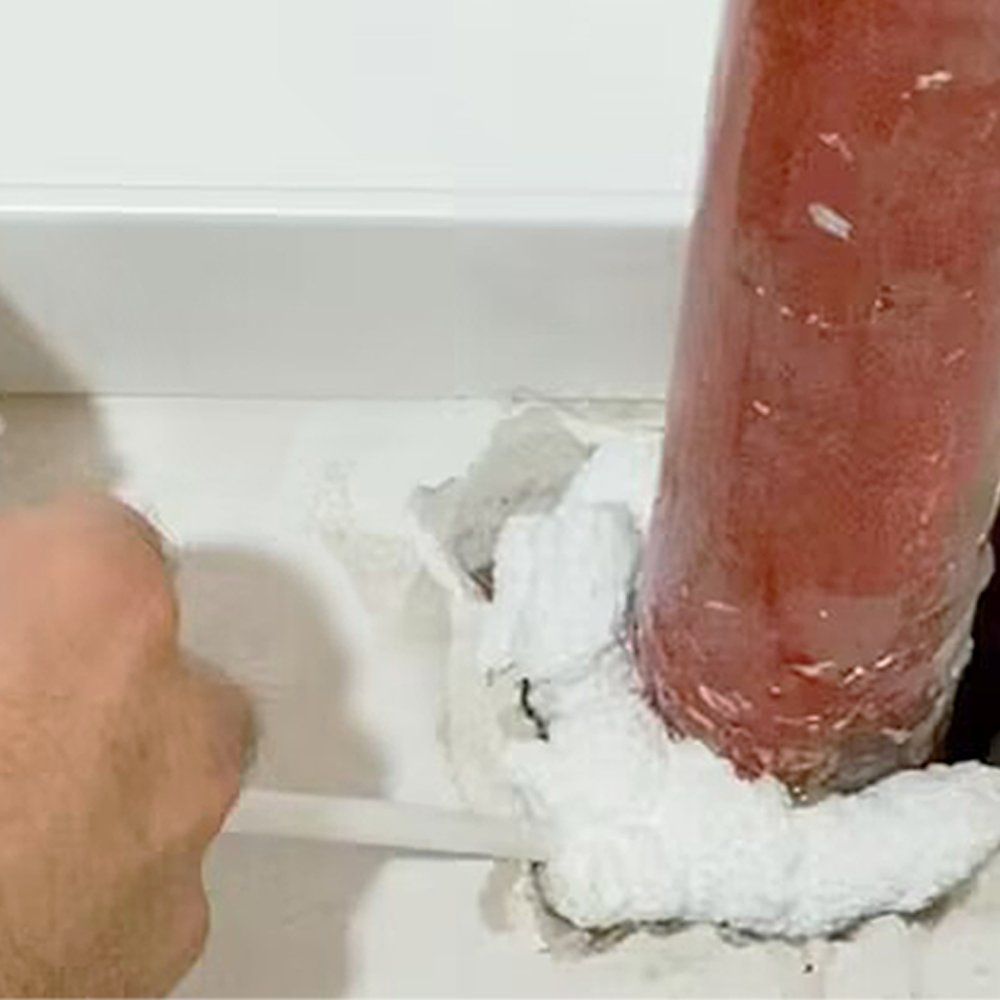
Practical Applications for Builders in Kumamoto
For procurement managers and site directors organizing the rebuild, PU foam sealant is a highly versatile tool that addresses multiple recovery phases simultaneously:
Weatherproofing Temporary Shelters: Rapidly sealing the joints, windows, and doors of prefabricated temporary housing units to protect vulnerable families from wind and moisture intrusion.
Repairing Earthquake-Damaged Masonry: Because the foam expands to fit the shape of the void, it fills deep, irregular gaps in concrete walls and brickwork caused by the tremors. This prevents moisture intrusion that could lead to mold or further structural decay.
Securing Utility Lines: Safely insulating and stabilizing newly laid HVAC, electrical conduit, and plumbing penetrations during both temporary emergency setups and permanent reconstruction.
GORVIA’s Commitment to Reliable Supply
The road to recovery in Kumamoto will be long, but the region will rebuild. At GORVIA, we stand with Kumamoto and are fully committed to supporting the contractors, engineers, and building professionals leading this effort.
We understand that supply chain reliability is just as important as product quality during a crisis. We are proactively maintaining our inventory and expediting logistics to ensure that your teams have the high-performance polyurethane foam sealant required to get the job done right, without delays.
For construction firms, contractors, and distributors involved in the Kumamoto rebuilding efforts, our dedicated B2B team is ready to assist. Contact GORVIA today to ensure you have the required volume of reliable PU foam sealant for your upcoming reconstruction projects. Together, we can help build a stronger, more resilient Kumamoto.
GET IN TOUCH WITH US
We sincerely invite all interested companies to contact us for more information.
We also provide OEM/private label and ODM service upon designed requirements and samples.